Logan Schmid · 25 October 2026
Polish Research Networks Advance AI Integration for Environmental Monitoring
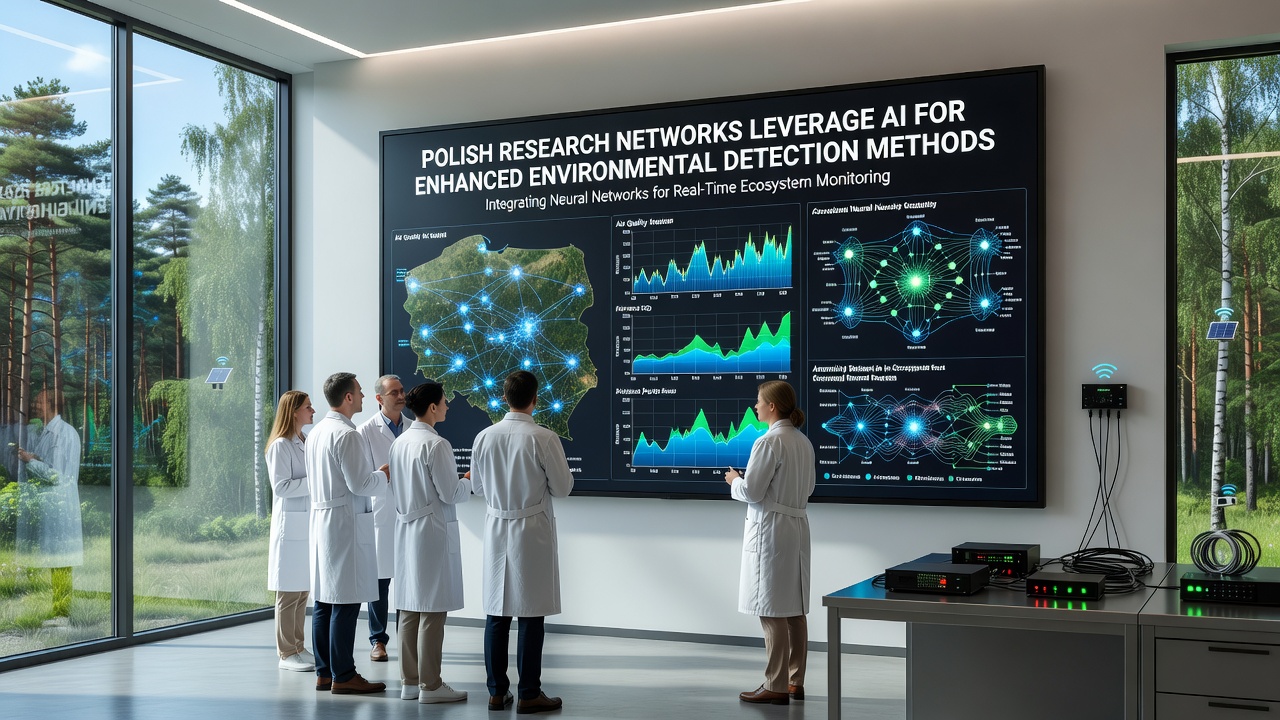
Polish research networks have expanded their use of artificial intelligence to improve detection methods across various environmental parameters, and institutions across the country now coordinate projects that combine machine learning algorithms with sensor networks for real-time analysis of air quality, water systems, and forest health. Data from these initiatives show increased accuracy in identifying pollution sources and tracking changes in ecosystems, while collaboration among universities and government agencies supports standardized protocols for data collection and processing.
Network Infrastructure Supporting AI Applications
Institutions in Warsaw, Krakow, and Gdansk operate interconnected platforms that aggregate inputs from ground-based sensors, satellite imagery, and drone surveys, and these platforms apply neural network models to process large datasets for patterns that traditional methods often miss. Researchers at multiple sites have reported that AI tools reduce the time required for anomaly detection in water samples from days to hours, and integration with existing meteorological stations allows for predictive modeling of weather-related environmental shifts. Figures from ongoing projects indicate that coverage of monitoring stations has grown by over 30 percent since 2023, which enables finer resolution in mapping urban heat islands and agricultural runoff effects.
AI Techniques in Pollution and Climate Detection
Convolutional neural networks analyze spectral data from remote sensing equipment to distinguish between different types of particulate matter in the atmosphere, and recurrent models forecast seasonal variations in river contamination levels based on historical records combined with current sensor feeds. One project in the Silesian region demonstrated that these methods identified industrial emission leaks with 92 percent precision during controlled tests conducted earlier this year. Teams also apply reinforcement learning approaches to optimize sensor placement, which minimizes gaps in coverage while reducing operational costs associated with manual adjustments. Evidence from field deployments shows that such optimizations have improved response times to detected events by approximately 40 percent in participating regions.
Additional efforts focus on biodiversity tracking, where computer vision systems process camera trap images to catalog species presence and movement patterns without extensive human review. These systems cross-reference findings with climate variables to assess habitat suitability changes over time, and preliminary results from forested areas in the Carpathian mountains suggest earlier identification of stress indicators in tree populations linked to temperature fluctuations.
Developments Expected in October 2026
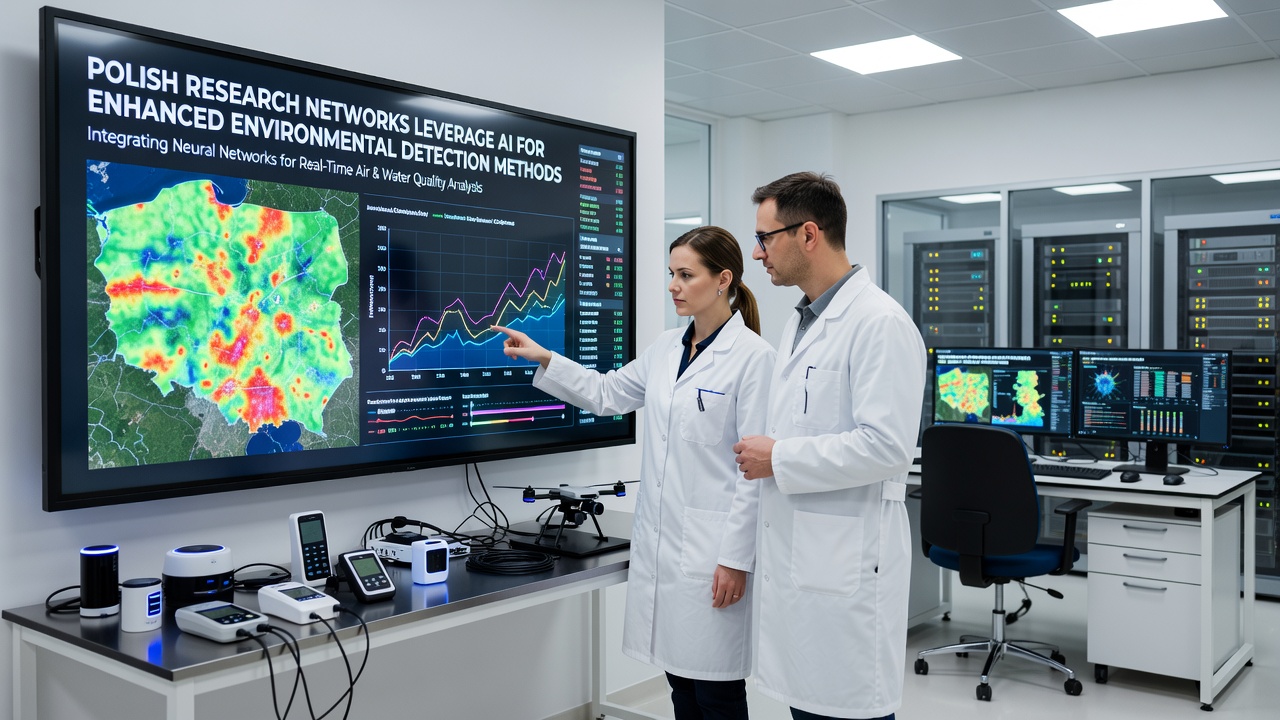
Plans announced for October 2026 include the rollout of an upgraded national data-sharing framework that will link AI models across additional regional networks, and this expansion aims to incorporate inputs from newly installed IoT devices in coastal zones for enhanced marine environment monitoring. Workshops scheduled during that period will bring together specialists from Poland and neighboring countries to review validation procedures for AI outputs against ground-truth measurements. According to reports from the European Environment Agency, similar cross-border data exchanges have supported more consistent environmental assessments in other parts of the continent.
Training programs for technical staff will emphasize handling of edge cases in AI detection, such as distinguishing natural seasonal variations from pollution events, and these sessions will draw on datasets accumulated from prior years of operation. Updates to regulatory guidelines are also anticipated to align with findings from these networks, which could streamline approval processes for new monitoring installations.
Collaborative Research and Data Standards
Joint initiatives between Polish universities and international partners have produced open-source toolkits that standardize AI preprocessing steps for environmental datasets, and these resources allow smaller research groups to implement detection methods without developing custom code from scratch. A study coordinated through the Scientific Reports journal examined outcomes from comparable networks in Central Europe and found that shared standards correlated with higher reproducibility rates across independent validation tests. Polish teams contribute to these efforts by providing anonymized subsets of their sensor logs for benchmarking purposes, which helps refine model performance on diverse terrain types.
Funding from national and European sources supports maintenance of the underlying computational infrastructure, while periodic audits ensure compliance with data protection requirements during AI training cycles. Observers note that the combination of localized expertise and centralized coordination has allowed rapid scaling of detection capabilities without proportional increases in personnel.
Conclusion
Polish research networks continue to refine AI applications for environmental detection through expanded infrastructure, targeted technique development, and scheduled advancements set for October 2026. These activities build on established data flows and collaborative standards to deliver measurable improvements in monitoring precision and response efficiency across multiple environmental domains.